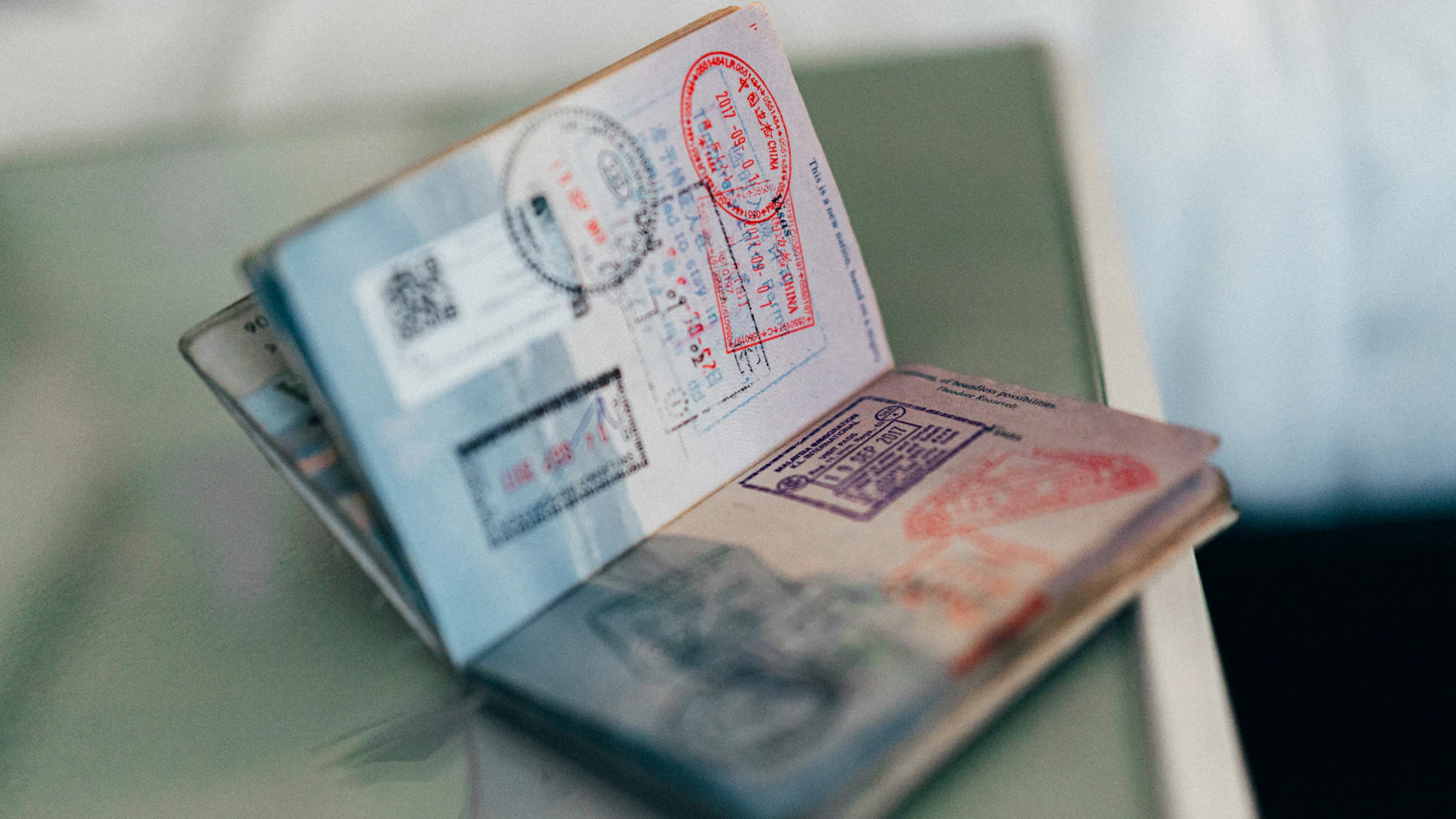
Overstaying in the Schengen Area used to depend on a border guard reading a passport full of stamps. Since 10 April 2026 the Entry/Exit System records every crossing, and it flags an overstay automatically. Here is what can happen next, and what to do before your last day.
An overstay is any day past your 90 days in 180, or past the dates on your visa. One day counts. What follows is decided by the country where you are caught: possible outcomes include a fine, an order to leave, and an entry ban that applies across the Schengen Area. The only reliable fix is to leave in time or get the right permission before your last day.
How an overstay is detected now
The Entry/Exit System (EES) registers your name, passport, fingerprints and face, and the date and place of each entry and exit. The European Commission describes it as enabling “the automatic detection of overstayers”. Since 10 April 2026 it has replaced passport stamping at the borders of all 29 participating countries.
So the old guesswork is gone. When you leave, the system already knows how many days you have used. Read how the Entry/Exit System works.
What can happen
A return decision
Under the EU Return Directive, a country that finds someone staying irregularly issues a return decision: an order to leave. It normally gives a period of 7 to 30 days to leave voluntarily, though it can give less or none in some cases.
An entry ban
The Directive says a return decision must come with an entry ban if no voluntary departure period was given, or if the person did not leave in time. In other cases a ban is optional. The length depends on the circumstances and “shall not in principle exceed five years”, unless the person is a serious threat to public security.
Return decisions and refusals of entry are recorded in the Schengen Information System, which border guards across the area check. An EU entry ban covers the territory of all the countries bound by the Directive, so a ban from one country keeps you out of the others too.
A fine or a criminal penalty
Fines are set by each country, so they vary widely. Two examples from the law itself:
- Spain: staying irregularly is a serious infringement under Organic Law 4/2000, with a fine of €501 to €10,000. The authorities can order expulsion instead of a fine, with an entry ban of up to five years.
- Germany: staying without a residence title when you are required to leave, any departure deadline has passed and removal has not been suspended is a criminal offence under section 95 of the Residence Act, punishable by up to one year in prison or a fine.
How a one-day overstay is handled in practice depends on the country and the officer. Some cases end with a note on the record; others with a fine or a return decision. Don’t plan around leniency.
Problems on future trips
A recorded overstay stays in your history. When you next apply for a Schengen visa, or arrive visa-free, officers can see it, and it can count against you.
If you have already overstayed
Leave as soon as you can. Each extra day adds to the overstay, and the Return Directive makes an entry ban compulsory if you are given a period to leave and don’t use it. Keep proof of anything that kept you there, such as medical records or flight cancellation notices, and carry it when you leave. If you are unsure about your situation, ask the immigration authority of the country you are in, or a lawyer, before you travel again.
What to do before your last day
- Check your real last day. Count back 180 days from each day of your stay, including arrival and departure days. Trips earlier in the window still count.
- If you hold a Schengen visa, the Visa Code lets the country you are in extend it. The extension must be granted, free, if you prove force majeure or humanitarian reasons that stop you leaving, such as a serious illness. It may be granted for serious personal reasons, for a €30 fee. Apply before your visa ends.
- If you are visa-free, there is no general way to extend the 90 days. A few countries have older bilateral agreements with certain nationalities that allow extra time in that one country. Check with that country’s immigration office before relying on one.
- If you want to stay longer, apply for a national long-stay visa or residence permit, such as a digital nomad visa. Time spent under that permit doesn’t use your 90 days in the country that issued it.
- If something stops you leaving, such as a cancelled flight or a hospital stay, contact the immigration authority before your last day and keep proof.
How Noverstay helps
Noverstay logs the country you are in each day, recounts your Schengen window every morning and shows the date you must leave by. It reminds you 14 days before, so you have time to change a flight or apply for permission. Schengen counting is free on iPhone and Android. See the Schengen rules by passport.
Sources
Not legal or tax advice. Rules change; check the official sources above or a qualified adviser.